We're live
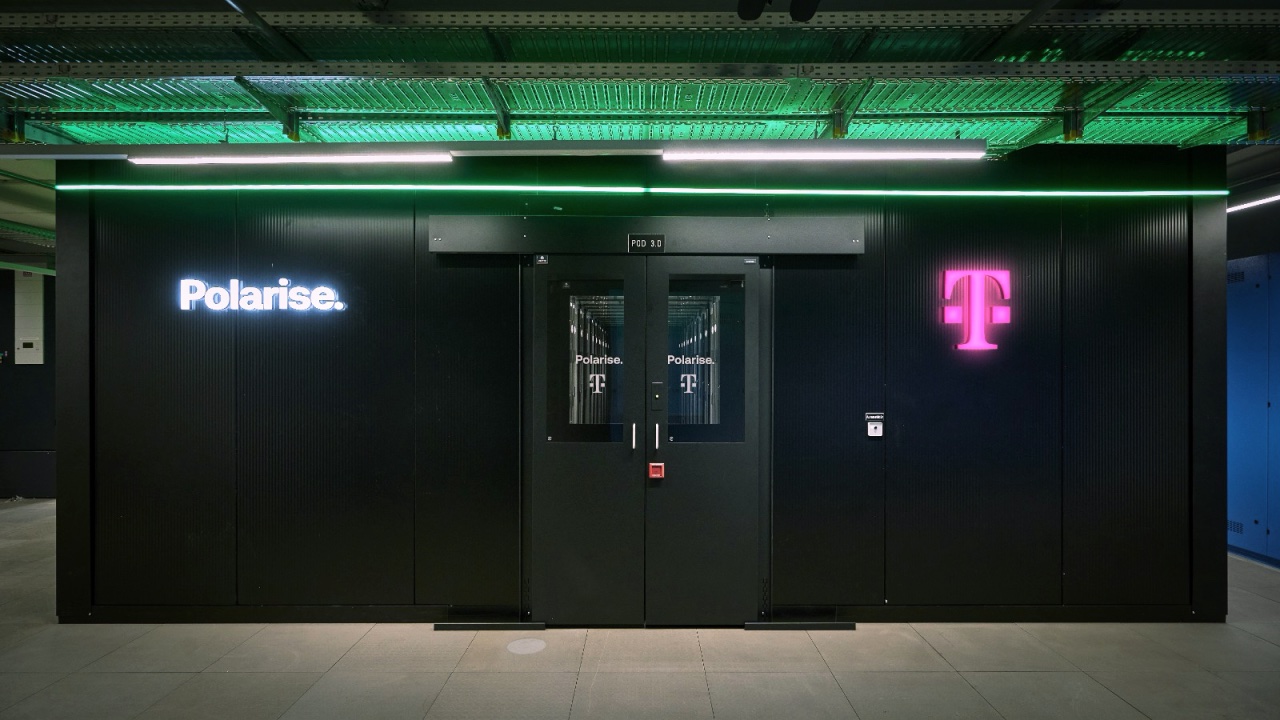
AI Foundation Services (AIFS) is now serving on the Industrial AI Cloud in Munich, the AI factory Deutsche Telekom and NVIDIA built together. We run on nearly 10,000 Blackwell GPUs in Munich — one of Europe's largest AI factories, built by Deutsche Telekom and NVIDIA.
Yes, it's sovereign. Yes, it's regulatory-compliant. We take that seriously, but that's not the story. The story is three things: the intelligence, the token economics, and the fact that it's all running in Munich.
Quick context: in just the past few months, AI Foundation Services has grown into a platform that a good number of European companies run on, with 30+ models. Open-weight models we host in our data centers: Mistral, Gemma 4, OpenAI's gpt-oss, Nemotron coming soon — plus the big proprietary ones in EU regions when a customer needs them: GPT on Azure, Claude on Google Cloud or Azure, Gemini on Google Cloud.
Open-source models are good now
Really good. GLM 5.2 — a 744B mixture-of-experts model — genuinely competes with OpenAI and Anthropic models.[1] The part that still surprises people is that frontier-level quality isn't something you can only rent from a few US providers anymore. And intelligence is what customers are actually paying for.
Here's the fun part, at least for us
Serving such intelligence comes down to a simple question: how much can you get out of a GPU, and what does a token cost? That's where the engineering starts.
- Quantize for Blackwell.
- Reuse cache for long-context and agentic traffic.
- Split the compute- and memory-bound phases of inference.
- Speculative decoding.
- And many more things our engineers know much better than me…
In the end the only thing that matters is cheaper tokens and more intelligence from the same hardware. The model helps too: GLM 5.2 only fires ~40B of its 744B parameters per token, so you get frontier-scale quality for a fraction of the compute. That kind of efficiency is basically the whole game.
We will share some of the interesting engineering challenges and how we solved them in the upcoming weeks — stay tuned.
Every model we tune teaches us something for the next one, and the cost of running intelligence on our infrastructure keeps dropping. That really excites us — and our customers.